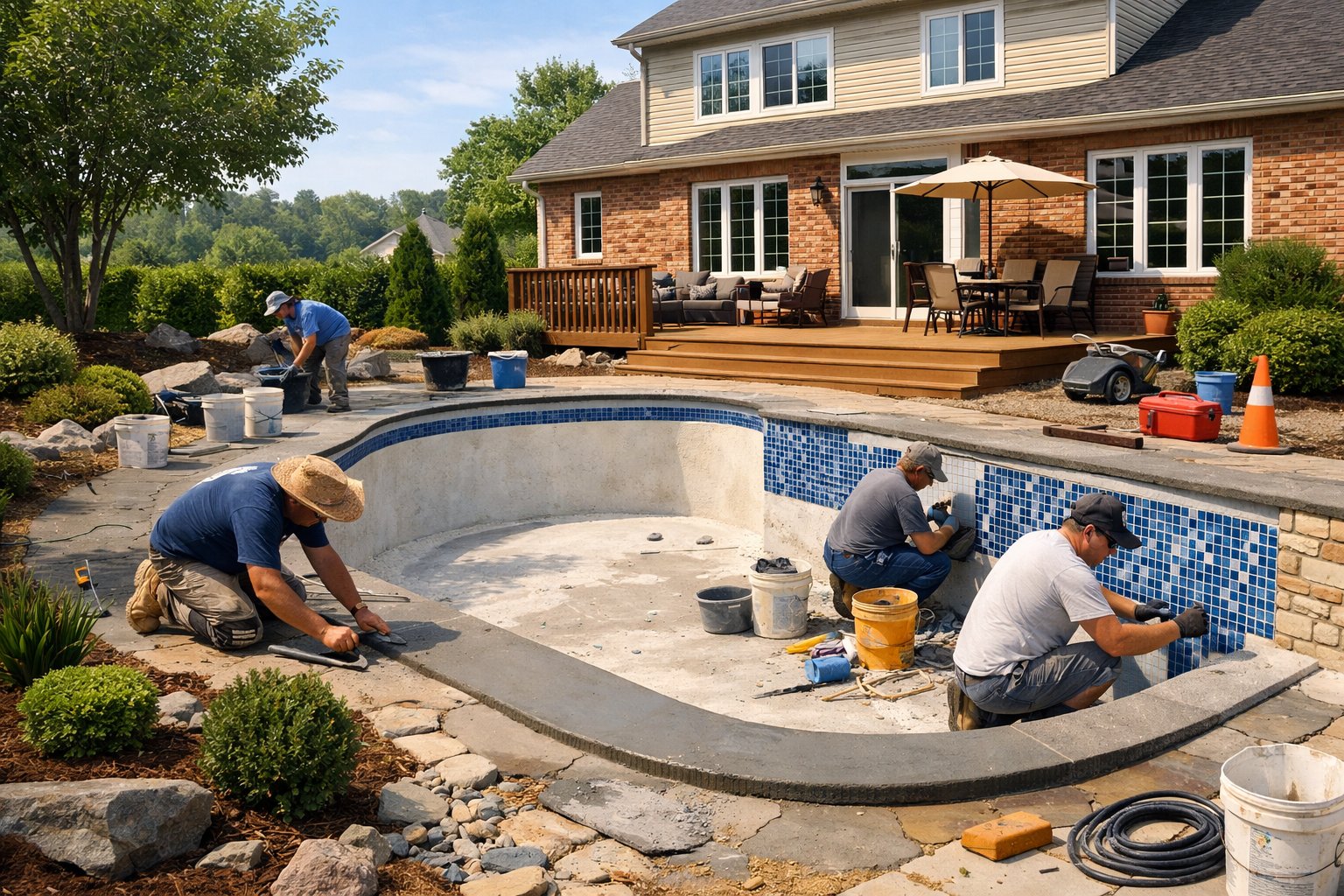
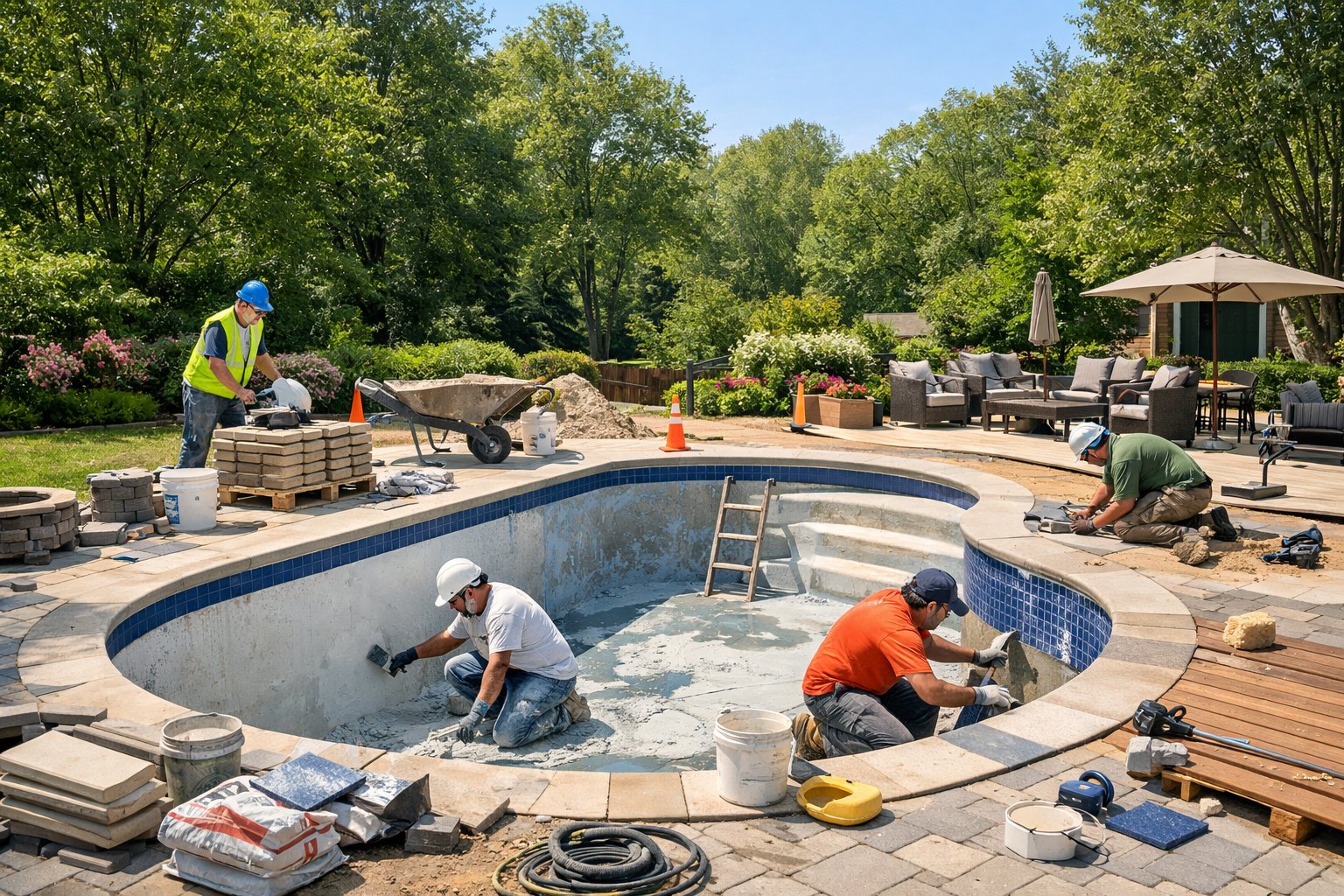
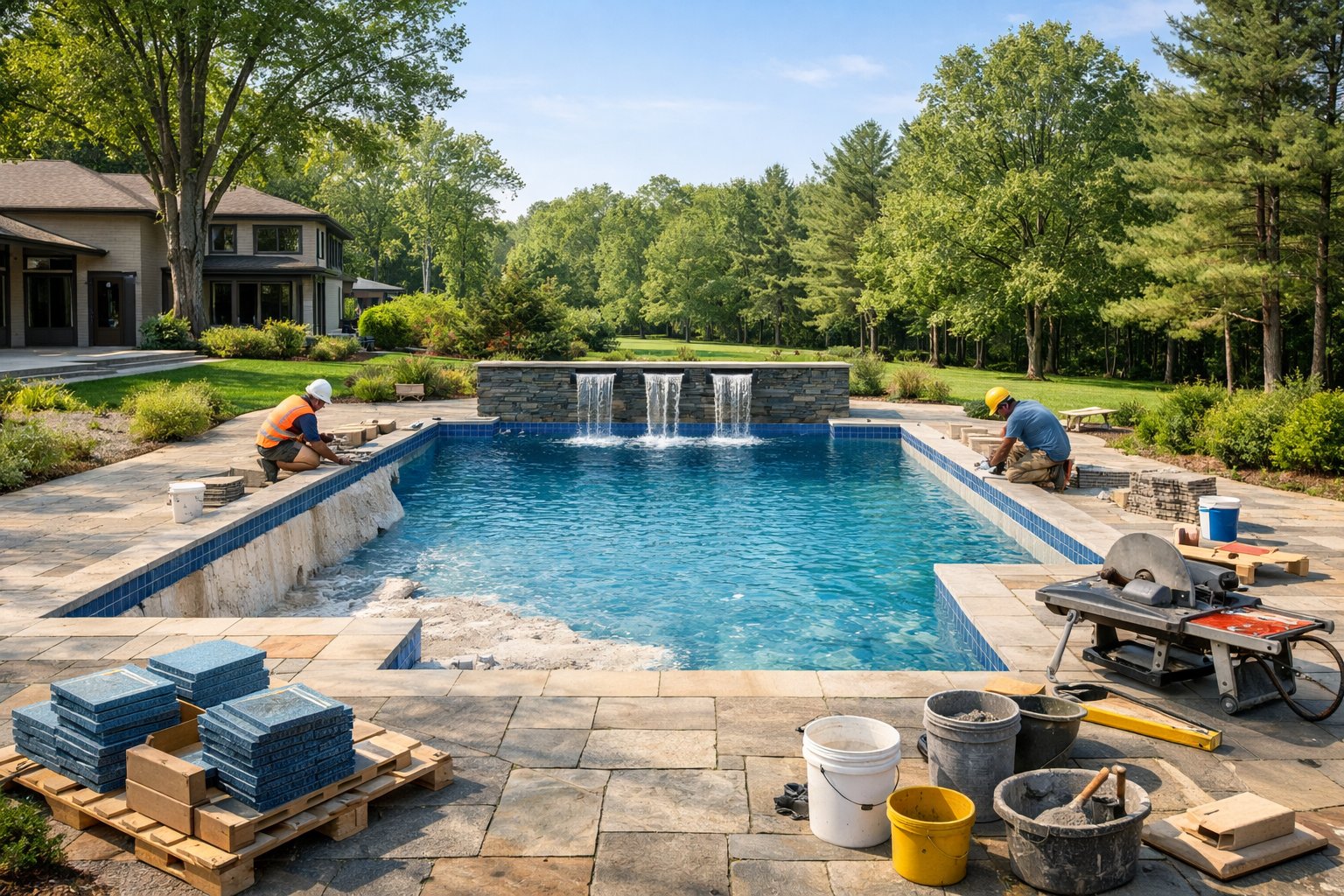
Keeping your Chesapeake pool safe and in great shape really comes down to proper caulking and re-caulking. When we seal the joints around your pool’s coping and decking, we block water from sneaking in and causing issues like cracks, erosion, or those annoying uneven surfaces.
Skip this step, and you could face expensive repairs or even unsafe pool edges. Nobody wants that.

We always recommend letting professionals like us at Dolphin Pool Services handle your pool caulking. Our crew knows Chesapeake’s weather and pool quirks, so we use materials and methods that actually hold up.
Trusting us helps protect your investment and keeps your pool area looking sharp.
Checking your caulking regularly and re-caulking when needed stops small problems from turning into big headaches. We’re proud of our reliable service and the solid work we do to keep your pool’s structure safe.
Taking care of your pool’s joints and seams is more important than most people realize. Sealing these spots keeps your pool’s structure safe from water and chemical damage.
If you re-caulk at the right time, you can also avoid bigger repair bills during renovations.
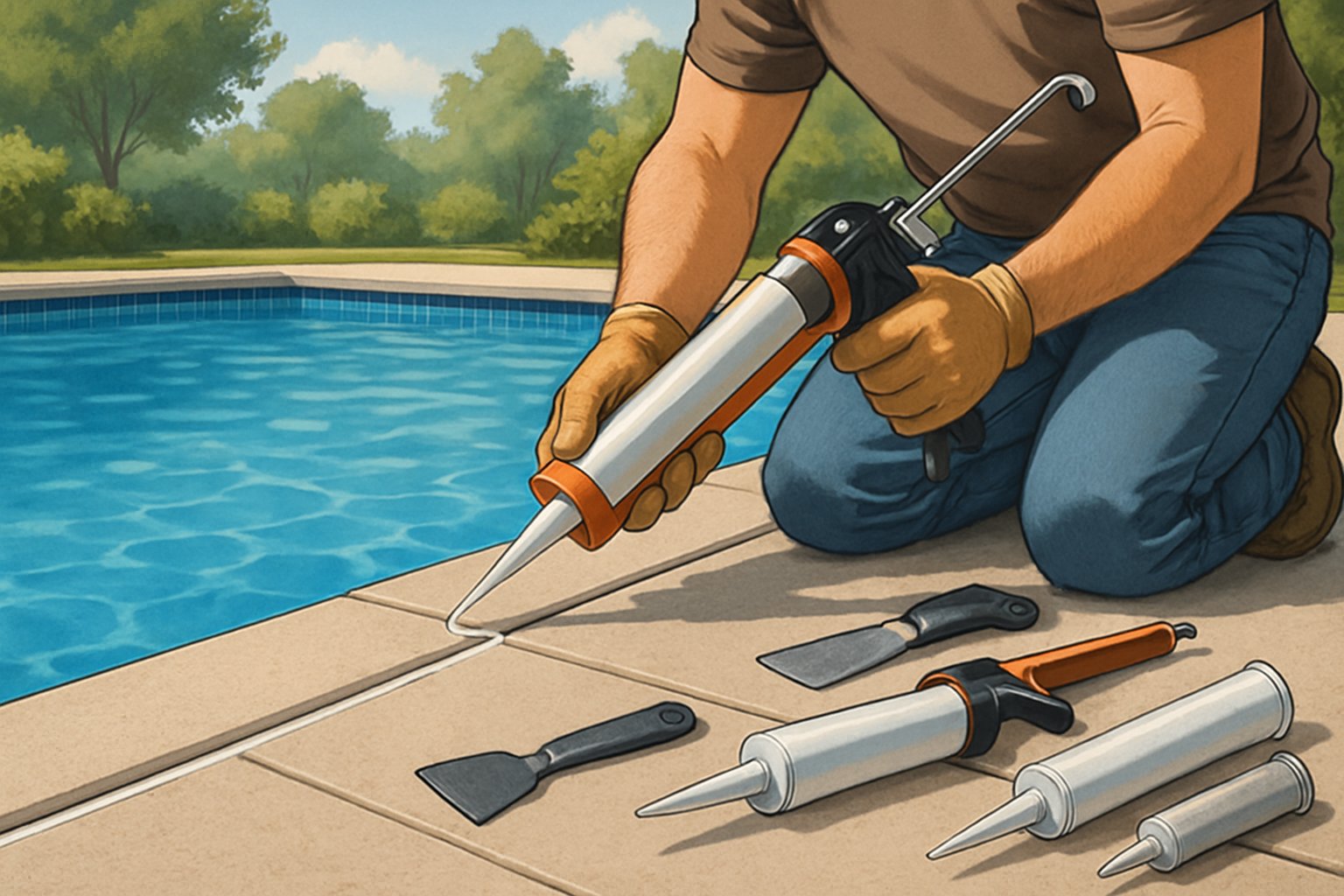
Pool caulking is a flexible sealant that we apply to joints and gaps, especially between the deck and coping. It acts like a barrier, stopping water from getting into cracks or under surfaces.
That helps protect your pool’s foundation from erosion and leaks.
Chesapeake’s climate throws plenty of temperature swings at us, so flexible caulking is a must. It expands and contracts without splitting. We like silicone caulk that resists chemicals and UV rays—it just lasts longer.
Professional installation really does make a difference for a watertight seal.
You need to check and replace pool caulking regularly to keep your pool safe and looking good. Caulk dries out, shrinks, or pulls away as time goes on.
When that happens, gaps form and water finds its way in, risking damage and pricey fixes.
For renovations, re-caulking is crucial to protect your pool investment. It also blocks mold and mildew, which love to grow in cracked or damp sealant.
We suggest checking your caulking every season and re-caulking when you spot wear or after a few years.
Keep an eye out for cracks, gaps, or caulking that looks brittle around the pool’s edge. If the sealant starts peeling or pulling away, it’s just not doing its job.
Water pooling near decks or inside joints is a red flag too.
Temperature swings and harsh chemicals can break down old caulks, especially if they weren’t put in right. Mold or discolored edges? That’s usually a sign something’s wrong.
We jump on these problems fast to keep your pool safe and looking good.
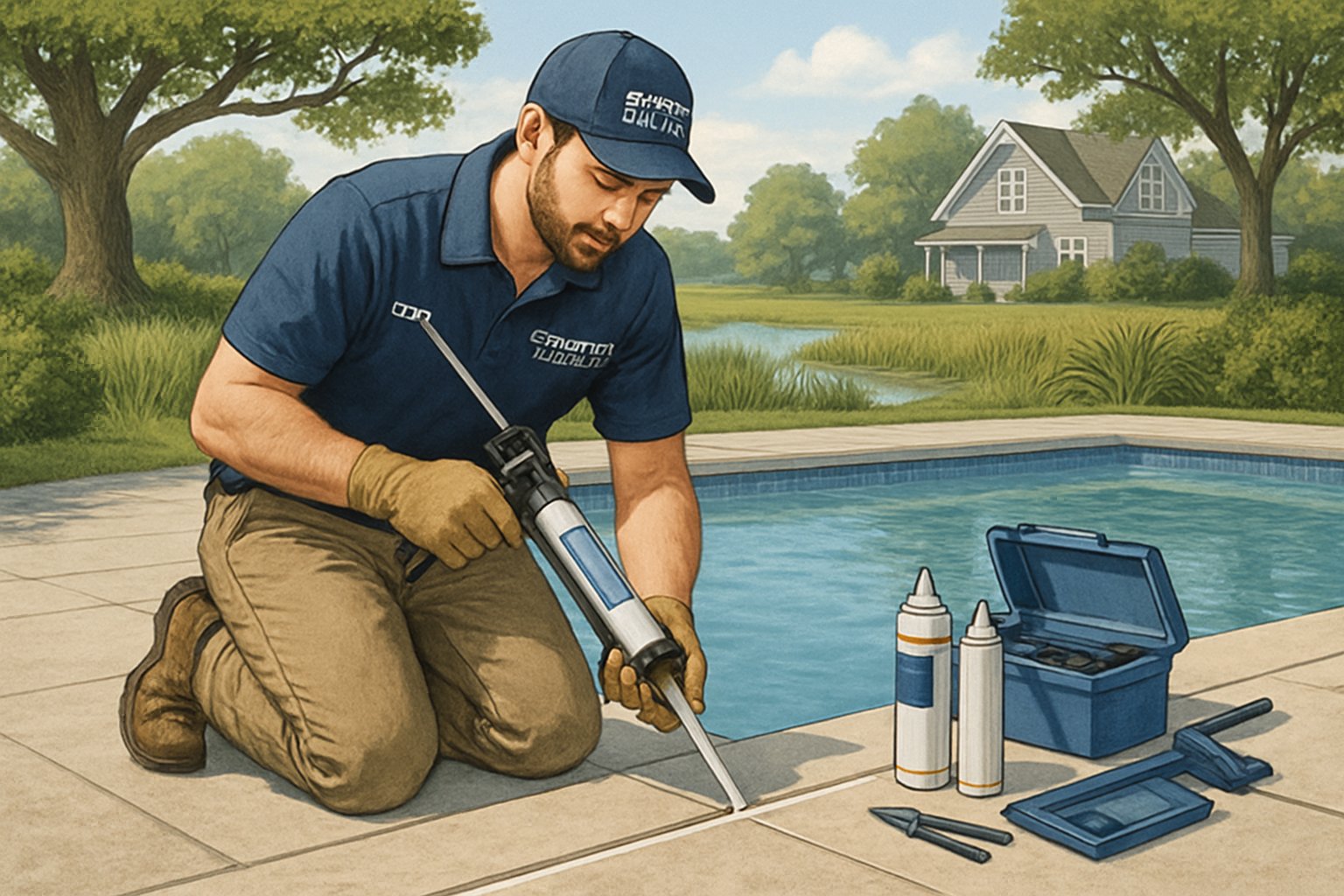
We know how vital proper pool caulking is for stopping water damage, cracks, or shifting decks. Our team zeroes in on local climate effects and blends caulking into your other pool maintenance or renovation jobs.
Picking the right pool caulking contractor makes all the difference. At Dolphin Pool Services, we use experienced pros who remove old mastic completely, clean out joints carefully, and apply new caulk at the right depth and width.
We stick with materials that stay flexible under the sun, chlorine, and all those temperature changes Chesapeake throws at us.
We also check for hidden issues like deck movement or tile separation before we start re-caulking. That way, you avoid quick failures and expensive repairs down the road.
It’s smart to go with a company that has a solid local reputation, proper licenses, and real expertise.
Pools in Virginia, Maryland, and DC deal with their own set of headaches—freeze-thaw cycles, high humidity, you name it. We adjust our caulking service for these conditions by picking mastics that can flex with the weather and still hold their seal.
We tackle common regional problems like erosion under decks and water sneaking in when caulk fails. Using flexible, durable materials helps keep your pool strong and safe all year.
Our local know-how helps us spot early trouble that’s unique to this area, so we can fix issues before they get expensive.
We often include caulking as part of bigger pool renovation projects. Our team works directly with clients and contractors to make sure mastic replacement fits into the renovation schedule.
When we install new coping, tile, or decking, we always apply fresh caulk at the right stage to lock everything together. If we find cracked slabs or loose tiles, we fix those first before sealing, which makes the renovation last longer.
This approach keeps disruptions to a minimum and protects your investment for years.
We believe proper pool caulking starts with picking the right materials, removing old sealant carefully, and applying the new mastic the right way. Every step matters if you want to avoid damage to your pool or deck.
We usually go with a high-quality, waterproof silicone or polyurethane caulk. These stand up to water, UV rays, and temperature swings, so your pool tiles stay protected and crack-free.
We scrape away the old caulk with a putty knife or similar tool. Then, we clean out the joint and remove any leftover debris.
The area needs to be totally dry before we put down new caulking.
We put a foam backer rod into the expansion joint to fill any deep gaps. After that, we apply a steady bead of mastic sealant over the rod to cover the joint.
We smooth it out with a damp tool for good adhesion and a neat look.
First, we clear away dirt and old caulk. Once the joint is dry, we insert foam backer if needed, then apply sealant evenly.
We check our work around the whole pool and fill any missed spots. Lastly, we smooth out the caulk for a flexible, solid seal.
We use foam backer rods to fill wider gaps, which saves on sealant and gives support. Then we apply a flexible, waterproof caulk to seal it up and protect against water damage or shifting.
You’ll want a good polyurethane or silicone caulk, plus foam backer rods. Grab a caulking gun too.
We usually keep a putty knife handy for scraping, and a damp cloth works well for smoothing things out.
Honestly, these tools make the job last and look sharp.
When you work with us at Dolphin Pool Services, we handle all these materials and steps for you. We know how important it is to protect your inground pool investment.