Pool Resurfacing & Replastering DC Expert Solutions for Long-Lasting Pools
Marko M
23rd September 2025
Pool resurfacing and replastering are key to keeping your pool safe, attractive, and durable in the Washington, DC area. Over time, plaster can crack, fade, or wear down, which affects the pool’s appearance and structure. The best results come from working with experienced professionals who use quality materials and follow proven techniques.
We know that choosing the right company for pool resurfacing is important to avoid costly mistakes and delays. That’s why we focus on delivering reliable service with strong attention to detail. Whether you need repairs or a full replaster, we bring the skills and local knowledge to ensure your pool looks great and lasts for years.
By trusting experts who specialize in pool care in DC and surrounding areas, you get peace of mind and a smooth process from start to finish. We are ready to help you transform your pool with high-quality plastering that stands up to the local climate and your lifestyle.
Key Takeways
Pool resurfacing improves safety and extends pool life.
Local knowledge helps tailor services to your pool’s needs.
Understanding Pool Resurfacing & Replastering in DC
Inground pools in DC face wear from weather and daily use. Proper maintenance means knowing when and how to renew your pool’s surface. We focus on practical signs, material choices, and clear differences between resurfacing and replastering to help you decide the best care for your pool.
Signs Your Pool Needs Resurfacing
If your pool surface shows cracks, rough spots, or stains, it may need resurfacing. Fading or discoloration can also signal that the protective layer is wearing thin. Water leakage or visible chips are clear signs too.
Ignoring these signs can lead to bigger problems like water loss or damage to the pool’s structure. Regular inspections from a professional help catch these issues early. We recommend contacting trusted pool companies like us, Dolphin Pool Services, to assess inground pools fully.
Popular Pool Plastering Materials
The plaster is the protective layer over the concrete base of inground pools. Common plaster materials include:
White plaster: Traditional and affordable but can stain over time.
Colored plaster: Adds style and hides minor stains better.
Quartz or pebble finishes: More durable, resist stains, and give a textured look.
Marble and granite finishes: High-end options that increase durability and beauty.
Choosing the right material depends on pool use, budget, and desired finish. We guide you to pick the best option for lasting results and low maintenance.
Comparing Pool Resurfacing vs. Replastering
Resurfacing and replastering often overlap but differ in scale and cost.
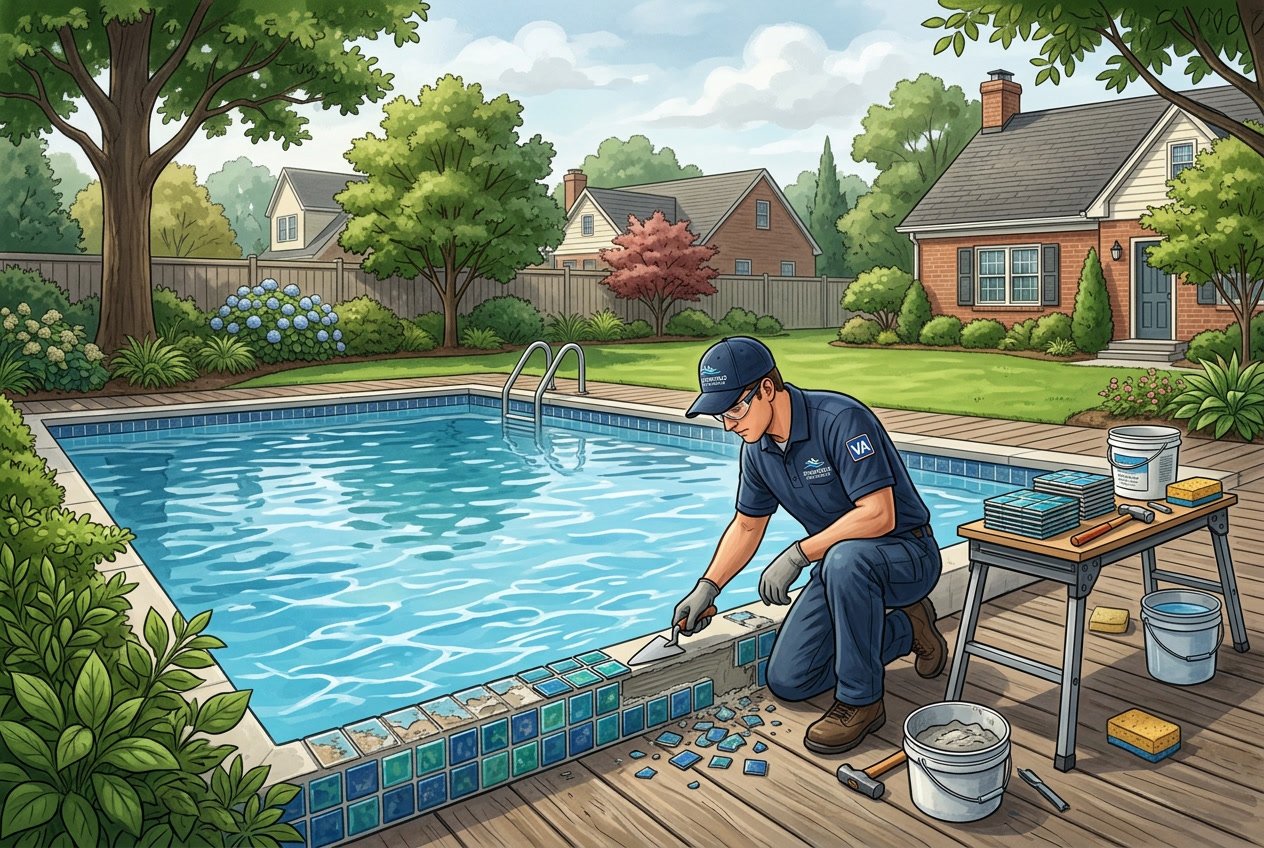
Resurfacing involves applying a new finish over the existing surface with materials like tile, pebble, or fiberglass. It can improve appearance and fix minor damage.
Replastering is a type of resurfacing specific to plaster pools. It means stripping away the old plaster and applying a new layer.
Resurfacing is usually quicker and less expensive. Replastering fully replaces the pool surface, making it better for older pools with significant wear or damage. We always use professional methods to ensure the pool’s safety and longevity.
Choosing Professional Pool Services in DC & Virginia
Finding a trusted company with the right experience and tools makes all the difference when resurfacing or replastering your pool. We focus on clear communication, high-quality materials, and professional standards to ensure long-lasting results.
Selecting the Right Pool Company
Choosing a reliable pool service company is crucial. Look for professionals licensed to work in both DC and Virginia, like us at Dolphin Pool Services.
Check for:
Experience with pool resurfacing and replastering
Positive customer reviews and references
Transparent pricing and clear contracts
Use of quality materials that withstand local weather
A reputable company will assess your pool’s condition first and provide a detailed plan and timeline. It’s important they offer services like leak detection and equipment repair as part of the process.
What to Expect During the Pool Resurfacing Process
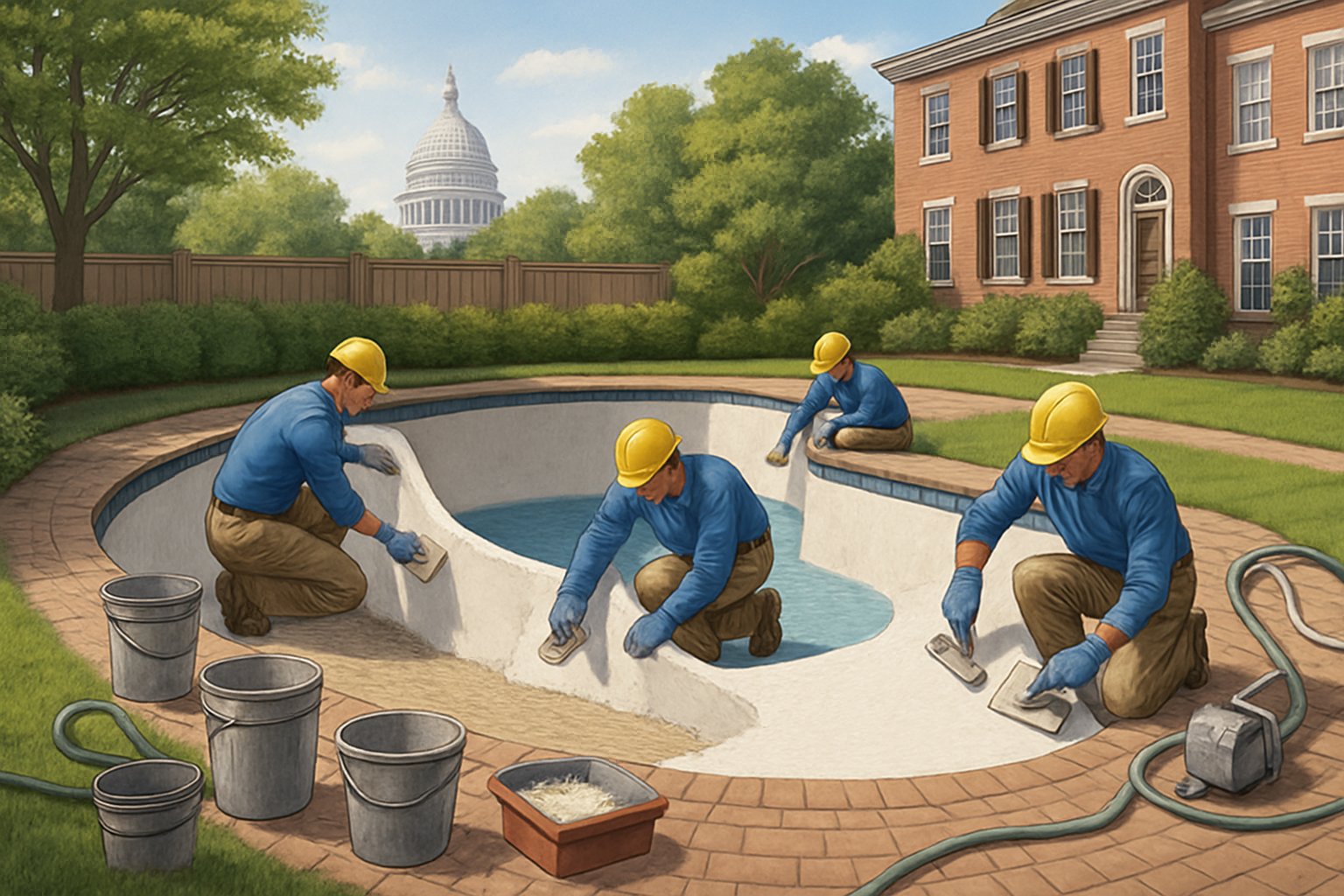
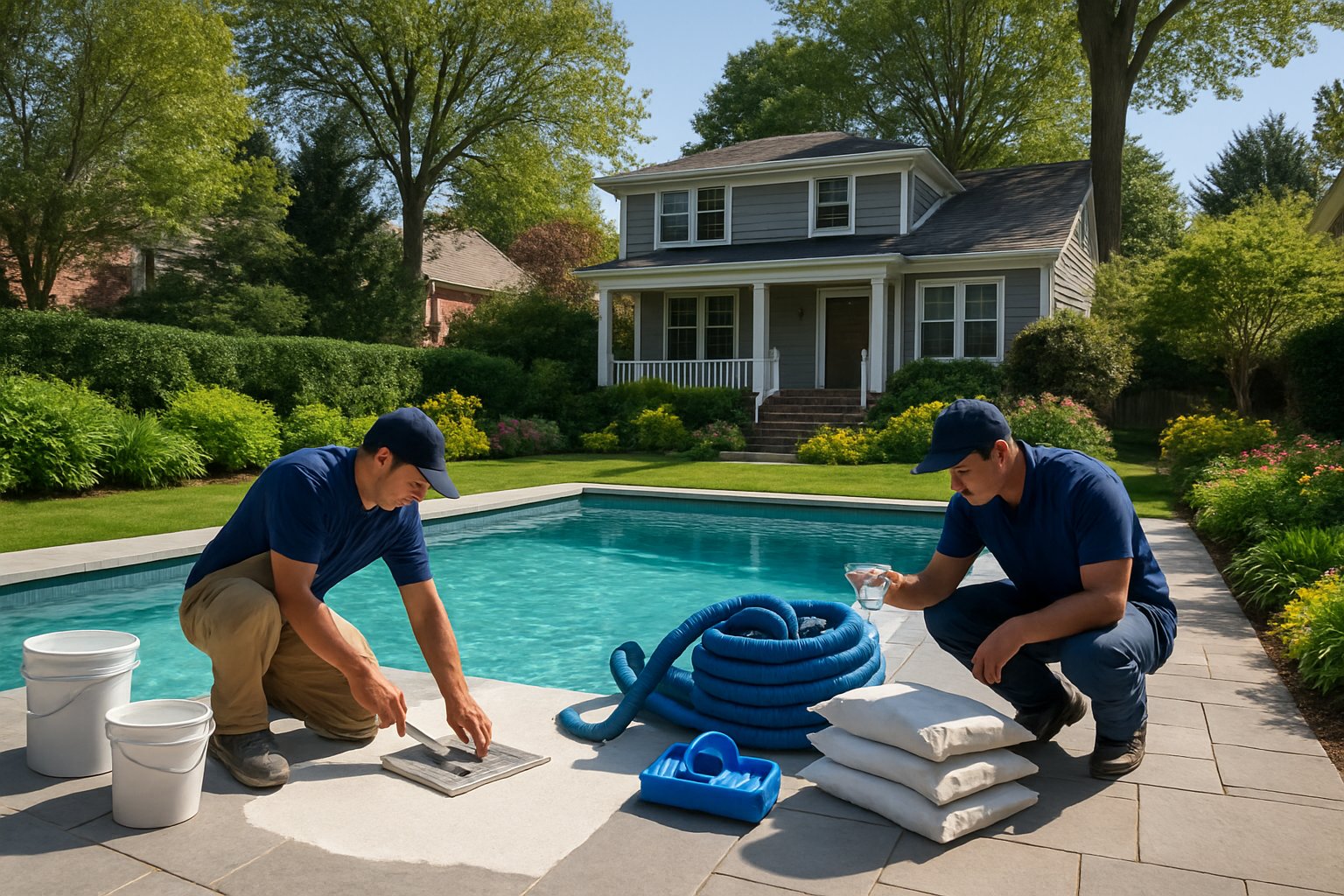
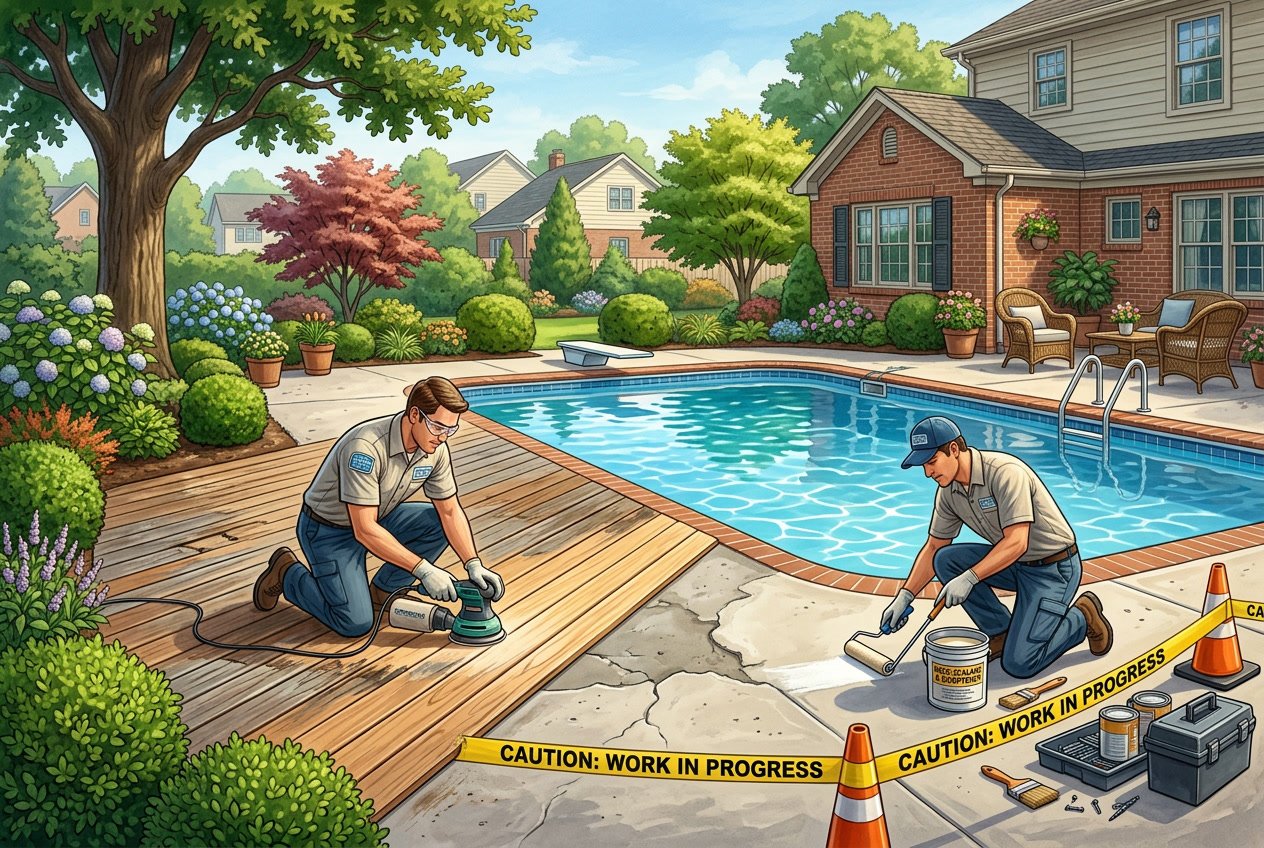
Once you hire a professional, the resurfacing usually starts with draining the pool completely. Old plaster or surface material is removed carefully to avoid damaging the structure.
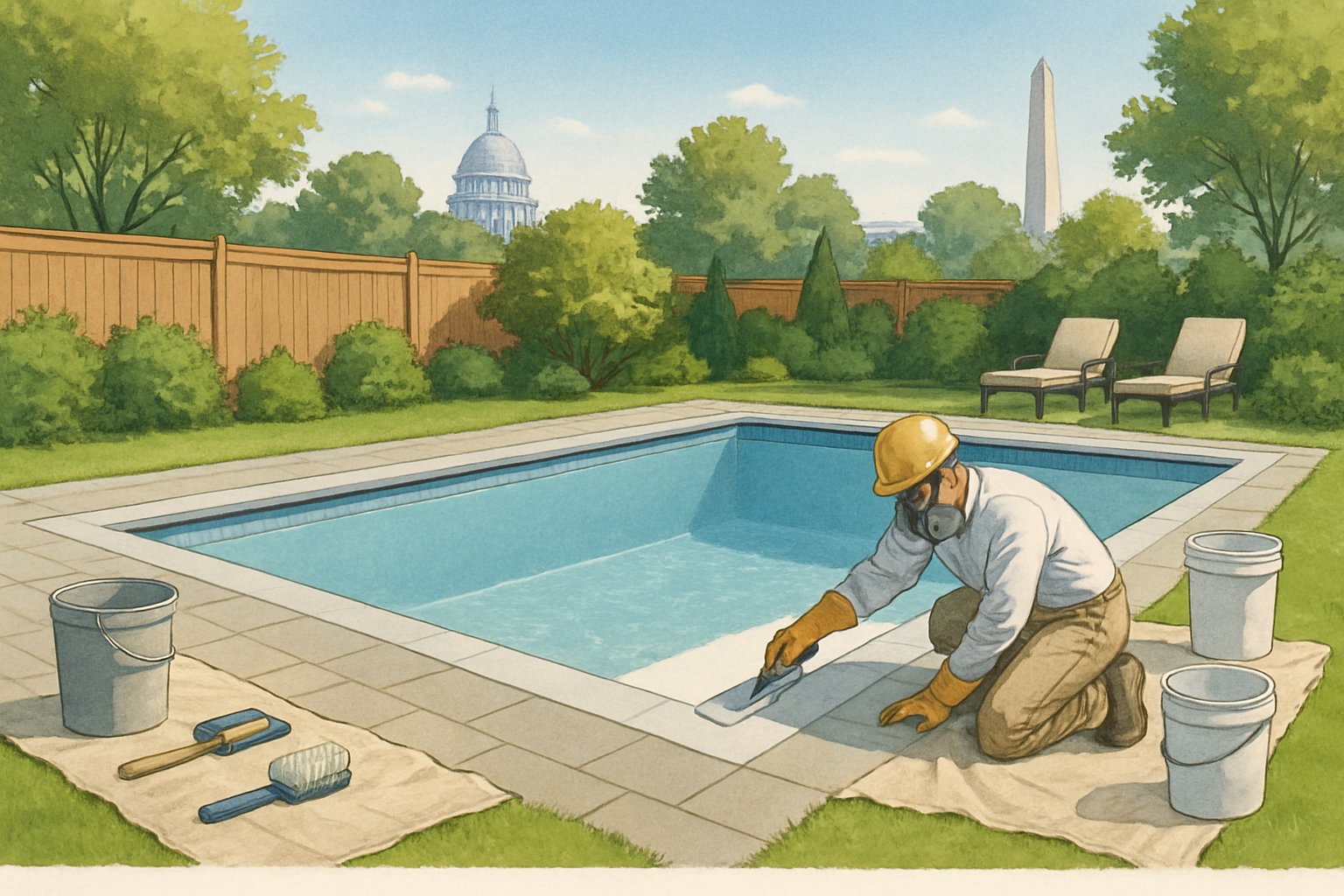
Next, the surface is cleaned and repaired if needed. We apply new plaster or pebble, depending on your choice, ensuring even coverage and a smooth finish. The whole process can take around 3 to 7 days.
During this time, equipment may be temporarily disconnected. We keep you updated and make sure your property stays clean and safe from debris.
Aftercare and Maintenance Tips
After resurfacing, wait at least 2 weeks before refilling your pool to let the surface cure. This step is key to prevent cracks or damage.
Once filled, maintain water balance carefully:
Test pH and chlorine levels regularly
Avoid harsh chemicals that can wear the new plaster
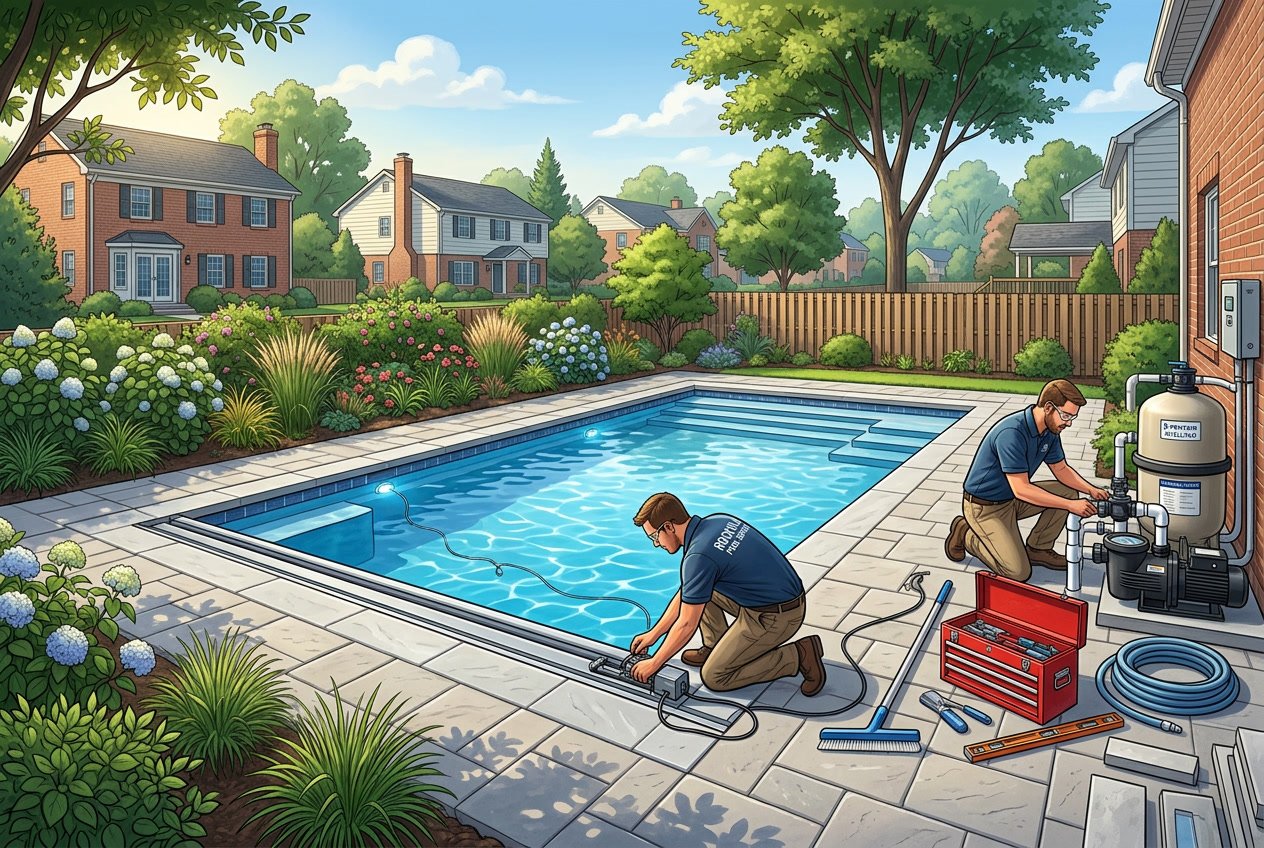
Clean filters and check equipment often to keep the pool safe and clear
Professional maintenance from a team like ours in Virginia can extend your pool’s life and protect your investment. Regular check-ups and timely repairs help prevent costly problems later.
Frequently Asked Questions
Pool resurfacing requires attention to damage, stains, and surface wear to keep the pool safe and attractive. Choosing the right materials and timing based on the pool’s condition is important. Proper maintenance after resurfacing will extend the life of the new finish.
What are the signs that indicate a pool needs to be resurfaced?
Rough or peeling plaster, cracks, and visible stains are clear signs.
If the pool surface has become dull or chalky, it may also need resurfacing.
Leaks or water loss can signal damaged plaster as well.
How often should pool resurfacing be done?
Most pools need resurfacing every 10 to 15 years.
This depends on use, water quality, and maintenance habits.
Regular inspections can help you know when it’s time.
What are the different materials available for pool resurfacing?
Common materials include plaster, pebble finishes, and quartz blends.
Each material affects durability, texture, and look.
We recommend consulting with professionals to choose the best option for your pool.
Can I resurface my pool myself, or should I hire a professional?
Resurfacing is a complex task that requires skill and special tools.
Hiring a reputable company like us ensures quality and safety.
We handle all steps correctly to avoid future problems.
How long does it take to resurface a pool?
Typically, resurfacing takes three to five days.
Additional work like repairs or tile replacement may extend the time.
We plan the schedule carefully to minimize downtime.
What maintenance is required after resurfacing a pool?
After resurfacing, keep the water balanced to protect the new surface.
Clean the pool regularly and watch for signs of wear.
Routine care helps maintain appearance and prevents damage.
Get your pool in perfect shape today!
Ensure your pool stays in peak condition with the expertise of our professional, certified operators. We provide top-quality service to keep your pool clean, safe, and well-maintained year-round. Contact us today through our online form to schedule best pool services!