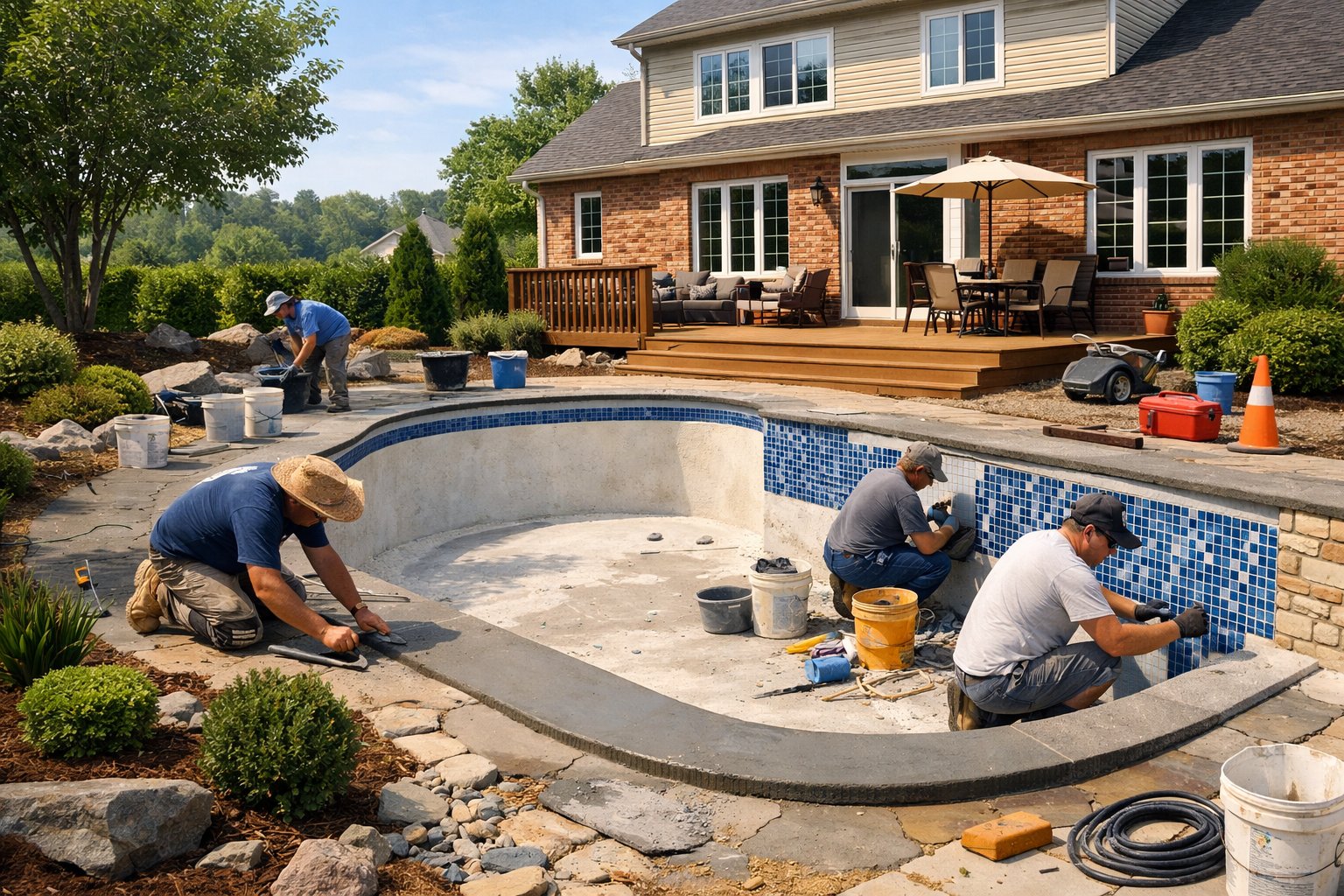
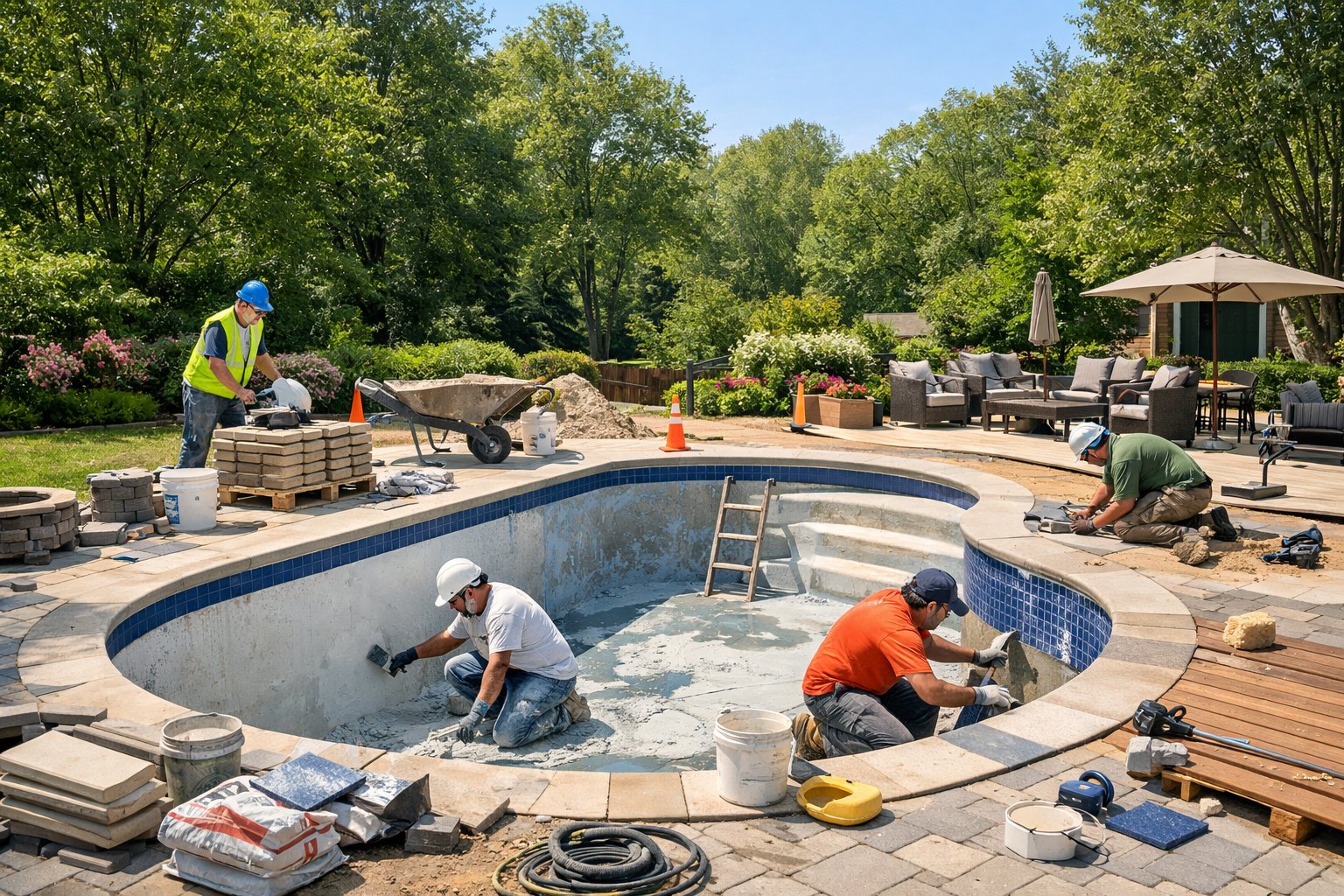
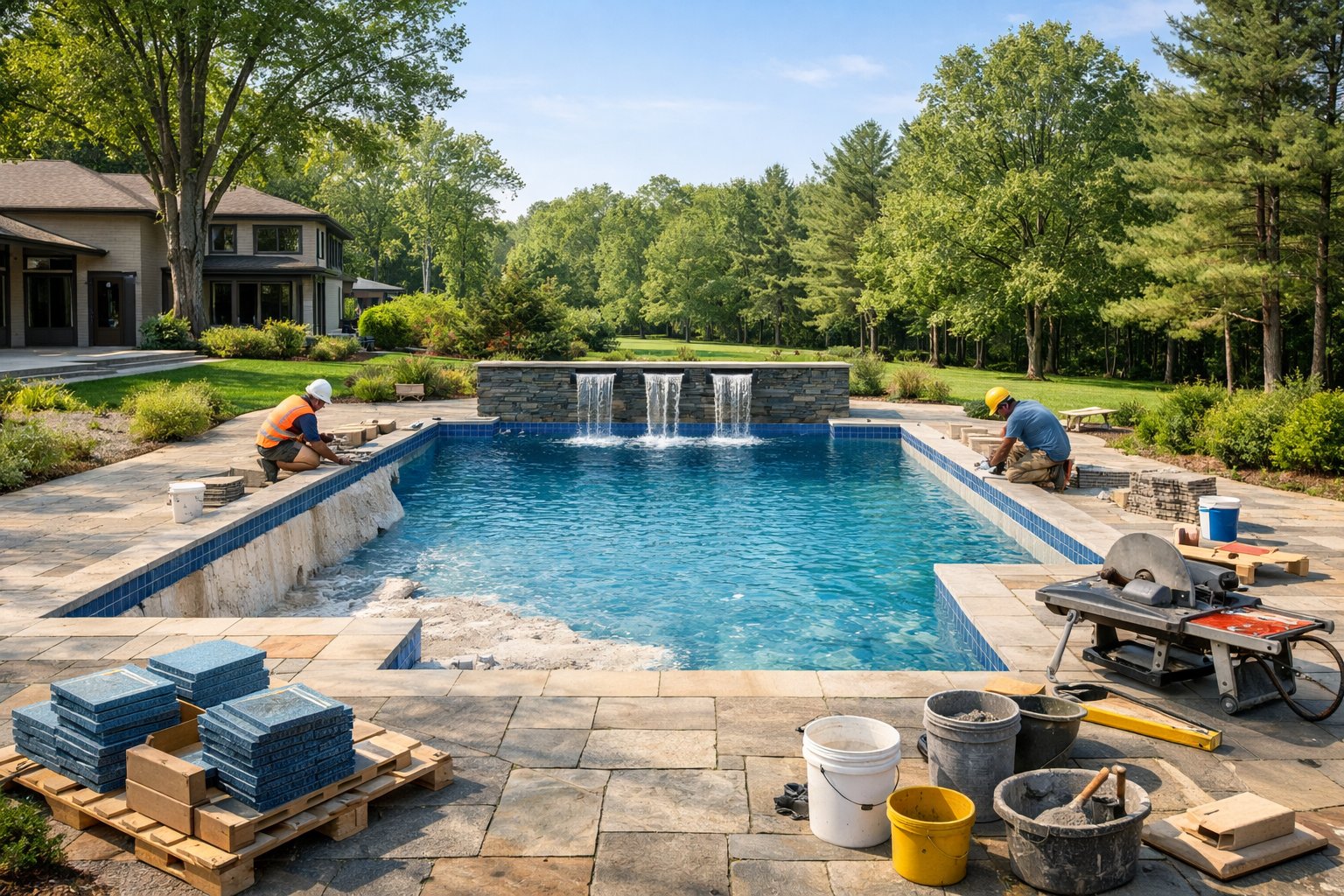
Maintaining a smooth and durable pool surface is essential for both safety and appearance. Pool resurfacing and replastering restore the strength and look of your pool, making it safer and more enjoyable to use. If you want your Maryland pool to last longer and look great, resurfacing and replastering by a trusted professional is the key.

We understand that choosing the right company to handle this important task can be overwhelming. That’s why we emphasize working with experienced experts like us at Dolphin Pool Services to ensure quality work and lasting results. Proper resurfacing not only improves the pool’s appearance but also prevents leaks and damage over time.
Whether your pool shows cracks, rough texture, or faded color, updating the plaster surface dramatically improves its condition. Regular upkeep after resurfacing also helps protect your investment. Our goal is to help you enjoy a beautiful and safe pool for many years ahead.

Maintaining the surface of inground pools in Maryland requires careful attention to wear and tear. Proper resurfacing and replastering protect pools from damage and extend their life. We focus on identifying pool condition, choosing the best materials, and working with trusted professionals to ensure quality results.
Pool resurfacing is key to keeping inground pools safe and functional. Over time, pool plaster can crack, chip, or erode due to weather and regular use. This can lead to leaks, rough surfaces, and increased chemical use.
Resurfacing restores the pool’s smooth finish and prevents water loss. It also helps avoid costly repairs from structural damage. For pools in Maryland and nearby Virginia, regular resurfacing ensures the water looks clear and inviting.
Professional resurfacing improves pool safety by removing sharp edges caused by plaster wear. It also enhances the pool’s overall appearance. We recommend resurfacing every 7-15 years, depending on pool use and water conditions.
Several clear signs indicate it’s time to resurface your pool. One common sign is rough or pitted plaster that feels sharp or uneven to the touch. You might notice cracks or white calcium deposits forming on the surface.
If your pool loses water faster than normal, it could mean cracks or porous plaster have developed. Discolored plaster that fades or changes tone also points to surface wear.
Other hints include peeling tiles around the pool’s edges or issues with the pool’s coping. Early resurfacing prevents major problems and keeps your inground pool in Maryland looking well-kept.
We use high-quality materials suited for lasting pool finishes. Common plaster materials include white plaster, quartz, and pebble finishes. Quartz and pebble options offer added durability and a textured look.
The resurfacing process starts with draining and preparing the old surface, often by acid washing or sandblasting. Then, a new layer of plaster is applied evenly to prevent future cracking.
Proper tile and coping replacement is part of the process, improving both function and style. We always recommend hiring experienced pool contractors who understand local climate impacts on pool surfaces in Maryland and Virginia.
Selecting a professional pool resurfacing company ensures the best results. Look for service providers with proven experience in inground pool plastering and resurfacing in Maryland.
A reputable company like us, Dolphin Pool Services, offers expert craftsmanship and thorough consultations. We use durable materials and proper techniques tailored to each pool’s needs.
Check for licenses, insurance, and customer reviews before hiring. Transparent pricing and clear timelines matter as well.
Working with trusted service providers prevents rushed or poor-quality work. We focus on long-term pool health and customer satisfaction, providing dependable pool services in Maryland and Virginia.

Proper care after resurfacing keeps your inground pool clean, safe, and attractive. Regular tasks and attention to water chemistry help protect your replastered surface and extend the life of your pool.
We recommend vacuuming and skimming the pool at least twice a week to remove debris like leaves and dirt. Brushing the walls and floor prevents algae buildup, especially on the fresh plaster surface.
Checking and balancing your pool’s water chemistry is critical. Maintain pH between 7.2 and 7.6 and keep alkalinity around 80-120 ppm. Free chlorine should be 1-3 ppm to prevent bacteria growth and avoid damage to the plaster.
Regularly clean the filter and backwash as needed. A clogged filter reduces water flow and can cause surface wear. Using a professional pool service like Dolphin Pool Services ensures all maintenance meets industry standards.
Protecting your replastered inground pool means avoiding harsh chemicals that can etch or discolor the surface. Avoid acid washing or metal-based algaecides unless recommended by professionals.
It’s important to inspect your pool weekly for cracks, chips, or other damage. Addressing minor problems early prevents costly repairs and keeps your pool safe for use.
We advise scheduling professional inspections and maintenance twice a year. Experienced pool technicians can properly assess the condition of your plaster and recommend any necessary adjustments or repairs.
Using a reputable pool company like us ensures your pool remains in the best possible condition and prolongs the life of your replastering investment.
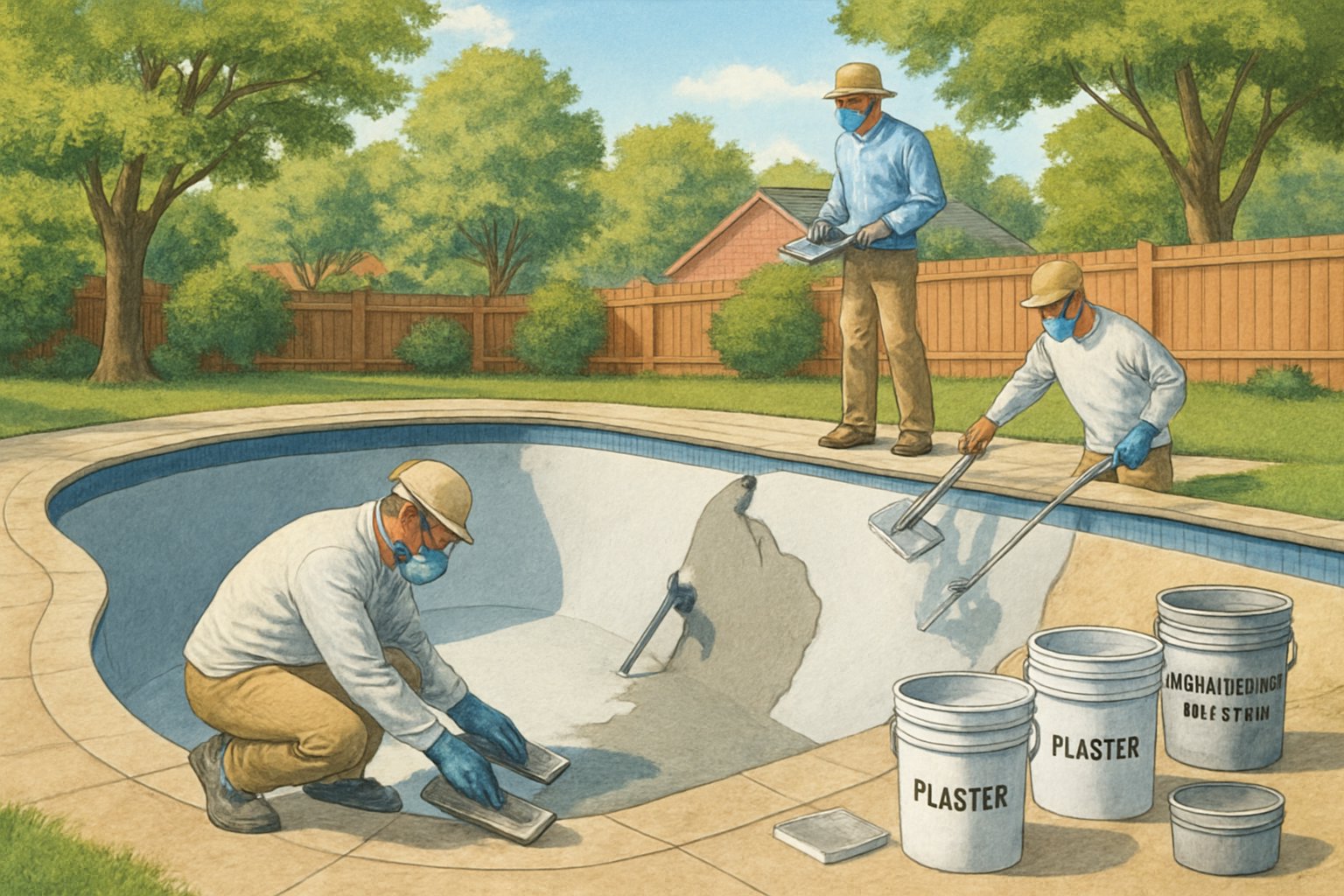
Pool resurfacing and replastering are important steps in keeping your pool safe and looking great. Understanding how long surfaces last, signs of wear, costs, materials, and care helps you make smart decisions. We recommend using a professional company like us, Dolphin Pool Services, for the best results.
In Maryland, pool resurfacing usually lasts about 10 to 15 years. Climate factors like humidity and cold winters may affect the surface faster, especially if not maintained properly. Regular inspections help extend the life of the finish.
Common signs include rough or pitted surfaces, cracks, and visible wear or discoloration. If water starts leaking or the surface feels sharp to the touch, it’s time to consider replastering. Early action prevents bigger problems later.
Costs vary depending on pool size, condition, and materials used. On average, resurfacing ranges from $5,000 to $10,000. We offer detailed estimates tailored to your pool after an onsite inspection.
Common materials include plaster, quartz, and pebble finishes. Pebble finishes tend to be the most durable and stain-resistant, making them a good choice for Maryland pools. We assess your needs and recommend the best option.
Yes, some materials and coatings use low-VOC (volatile organic compounds) and eco-friendly products. They reduce harmful emissions during application and improve pool water safety. We can guide you to green choices for your pool.
Maintain proper water balance and keep the pool clean to avoid surface damage. Avoid harsh chemicals and follow professional advice on use and care. Regular checkups by experts like us help spot issues early and protect your investment.