Winter Safety Pool Covers: Essential Protection for Your Swimming Pool
Marko M
9th September 2025
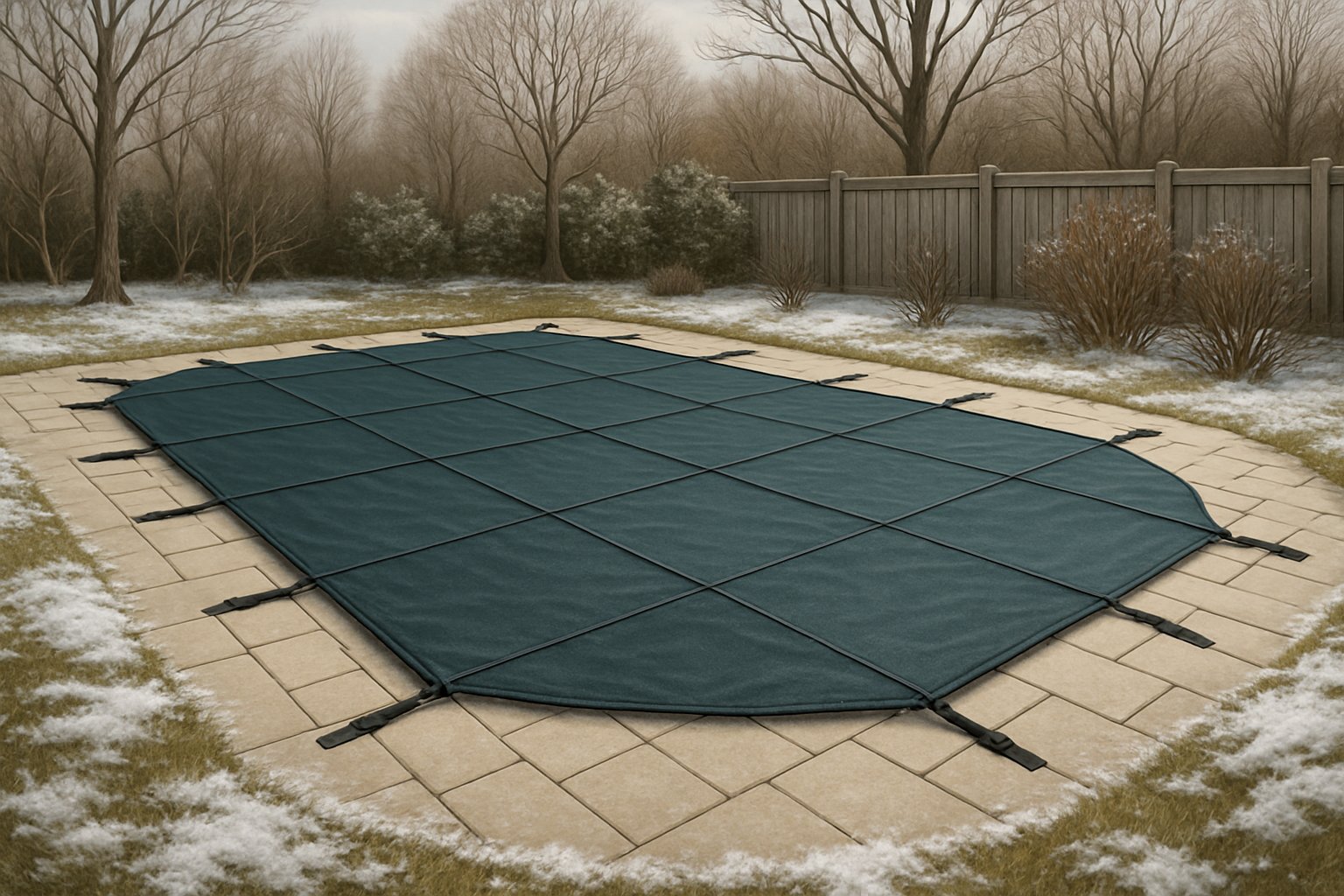
Winter throws all sorts of curveballs at pool owners, especially when it comes to keeping family and pets safe around water features. Winter safety pool covers are designed to protect people and animals from accidental falls, and they keep your pool clean through those cold months. These covers are way stronger than your average pool cover—you could walk across one if you needed to, though we wouldn’t recommend making a habit of it.
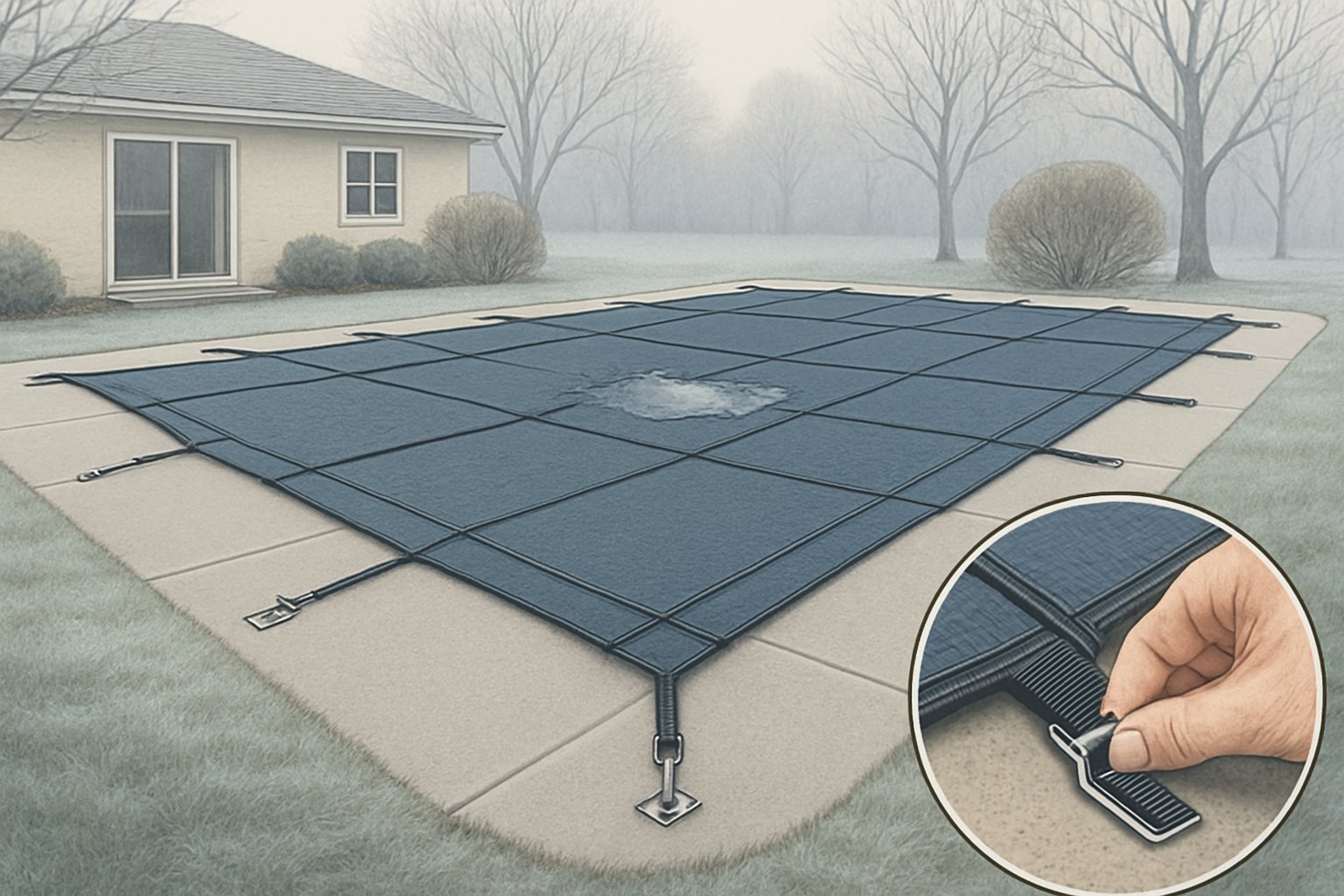
Unlike basic covers that just keep out leaves, safety covers anchor right into your pool deck. They meet strict safety standards and help prevent tragic accidents.
A lot goes into picking the right winter safety pool cover—pool shape, your local weather, and budget all matter. Knowing the different types and how to install them can help you make a smart choice for your family.
What Are Winter Safety Pool Covers?
Winter safety pool covers give you the best of both worlds—debris protection and serious safety features during the off-season. They’re not like those flimsy tarps; these use tough materials and anchor systems that really make a difference.
Definition and Key Benefits
Winter safety pool covers act as protective barriers, securing over swimming pools once it gets cold. They’re made from reinforced vinyl or mesh fabric, and attach with stainless steel springs and anchors.
Key benefits include:
Debris protection – Keeps out leaves, dirt, and snow
Safety enhancement – Stops kids and pets from falling in
Water quality maintenance – Slows chemical loss and keeps out contamination
Energy conservation – Reduces heat loss when it’s cold
These covers can hold a surprising amount of weight. Most will support 485 pounds per 5 square feet—enough that you don’t have to panic if someone accidentally steps on one.
They also help you save on maintenance. Blocking sunlight means less algae, which means less cleaning and fewer chemicals when you reopen the pool.
How Winter Covers Differ from Other Pool Covers
Winter pool covers aren’t all created equal. Basic winter covers are just tarps—they float and only stop debris.
Safety covers stretch tight across your pool and anchor straight into the deck. It’s a real barrier, not just a suggestion.
Safety covers last longer, too. You’ll usually get 12-15 years out of one, while basic covers might last just 2-3 years.
The way you install them is different. Standard covers just drape over the pool. Safety covers need deck anchors and a bit more elbow grease (or a pro from Dolphin Pool Services).
Types of Pool Covers: Winter, Safety, Solar, and Leaf Net
You’ve got four main types of swimming pool covers to pick from, each with its own perks.
Winter pool covers are the basic option. They keep out debris and work for both above ground and inground pools. They’re cheap, but don’t expect much safety.
Pool safety covers offer both protection and safety. They meet ASTM standards for strength and durability, and keep kids and pets out.
Solar pool covers warm your water and cut down on evaporation. They look like bubble wrap and float on the surface. Best for swimming season, not winter.
Leaf net covers go on top of other covers to catch leaves and bigger debris. If your yard’s got a lot of trees, these are a lifesaver.
Types of Winter Safety Pool Covers
You’ll find two main materials when it comes to winter safety pool covers: mesh and solid. Each has its own benefits for debris and drainage. You can also go for custom solutions, especially if you’ve got a unique pool shape.
Mesh Winter Pool Covers
Mesh winter pool covers let water drain through but block bigger stuff like leaves and twigs. The fine mesh keeps most gunk out during winter.
They’re great if you get a lot of rain or snow. Water just passes through, so you don’t get heavy puddles weighing down the cover.
Key benefits of mesh covers:
Natural drainage
Less sagging
Lightweight and easy to handle
Usually cheaper than solid covers
You won’t have to mess with standing water as much, but a little fine debris can still sneak through.
Most mesh covers are made from woven polypropylene or similar stuff. If you take care of them, they’ll last 10-15 years.
Solid Winter Pool Covers
Solid winter pool covers create a total barrier—nothing gets through. No debris, no sunlight, no water.
They’re fantastic at stopping algae because they block all sunlight. Your pool chemicals will stay more balanced through the winter.
Advantages of solid covers:
Block everything—debris, contaminants, sunlight
Prevent algae
Keep water cleaner
Offer strong safety protection
You’ll need a way to drain water off, though. Standing water can ruin a solid cover if you ignore it.
They cost more than mesh covers, but you get what you pay for. Expect 12-18 years of use if you treat them right.
Make sure you’ve got good drainage around your pool deck. It’ll save you headaches later.
Hybrid and Custom Pool Covers
Hybrid covers mix solid and mesh areas. The center is solid, while the edges are mesh for drainage.
If your pool isn’t a standard shape, custom covers are the way to go. Manufacturers build these to your exact specs.
Some hybrids put solid panels over the swimming area and mesh on the sides. That way, you get protection and drainage where you need it.
Custom options include:
Odd-shaped pools
Built-in drainage
Reinforced anchor points
Choice of color and material
Custom covers aren’t cheap, but they fit perfectly and work better for tricky setups.
Above Ground vs. Inground Covers
Above ground pool covers attach differently than inground ones because of how the pools are built. Above ground covers usually use elastic cords or cables.
Inground pool covers rely on spring-loaded anchors drilled into the deck. These anchors give you a much stronger hold for safety covers.
Above ground cover features:
Cable and winch systems
Elastic cords
Wall-mounted anchors
Round covers for round pools
Inground pool covers support more weight thanks to the anchor system. That’s why they’re the go-to for serious safety.
Above ground covers cost less but don’t give you quite the same level of safety.
Round covers are common for above ground pools. If you’ve got a rectangular above ground pool, you’ll need a custom fit.
Safety Features and Standards
Safety pool covers have to meet strict safety standards. They’re built to prevent accidents and include certifications, weight limits, and features that keep people out of the water.
ASTM Certification and Industry Compliance
The ASTM F1346 standard sets the bar for safety pool covers. If a cover has this certification, it’s passed tests for weight loads and drowning prevention.
ASTM-certified covers have to hold at least 485 pounds spread over two square feet—about the weight of two adults.
They also need to come off easily in emergencies. Always look for the ASTM label before you buy.
Home inspectors and insurance folks sometimes check for this certification, especially if you’re selling or insuring your place.
Load-Bearing Capabilities
A good safety cover will hold a lot of weight without stretching or breaking. Most quality covers can handle 4,000 to 6,000 pounds if the weight is spread out.
Solid covers usually handle more weight than mesh. Vinyl with reinforced stitching is the strongest.
Weight Distribution Factors:
Thickness of the cover
How far apart the anchors are
How tight you install it
Condition and age of the cover
Installation really matters. Well-installed brass anchors spread the weight across the deck. Loose anchors? Not so much.
Pool Access Prevention and Drowning Risk Reduction
Safety pool covers make it almost impossible for anyone to fall into the pool. When installed right, kids and pets can’t get to the water.
Covers attach to brass anchors all around the pool. These anchors keep the cover tight. No gaps allowed.
Unlike regular winter covers, safety covers stay tight and don’t sag. Winter covers often end up with puddles and can even collapse under heavy debris.
Key Safety Benefits:
Blocks all access
Supports people and pets if they step on it
Prevents debris build-up
Cuts down on maintenance
A tight fit means no one can crawl under the cover. That’s a huge safety upgrade over loose covers.
Installation and Maintenance Best Practices
You’ve got to install winter pool covers the right way and keep up with maintenance if you want them to work. Dolphin Pool Services can help with this, but here’s what you should know.
Pool Cover Installation Steps
Start by cleaning your pool—get all the leaves and junk out of the water and off the deck. Lower the water a couple of inches below the skimmer.
Begin installation at one end. It’s easier if two people work together, slowly unfolding the cover across the pool.
Make sure the cover hangs evenly over each side—about three feet is good.
Smooth out any wrinkles or folds. You don’t want places where water or debris can collect.
Securing Methods: Water Tubes, Aqua Blocks, and Anchors
Water tubes are a popular way to hold down winter covers. Fill them three-quarters full so there’s room for ice to expand.
Lay the tubes every few feet around the edge, connecting them end-to-end.
Aqua blocks are sturdier than water tubes. They’re wider and flatter, which helps them stay put and not blow away.
Place aqua blocks at the corners and every few feet along the straight edges. They’re less of a tripping hazard, too.
Brass anchors are the gold standard for safety covers. We recommend having a pro install these.
Anchors are drilled into the concrete deck. The cover attaches with springs and straps for a super tight fit.
Pool Cover Pumps and Debris Removal
A cover pump is a must for getting rid of standing water on top of your winter cover. Too much water can wreck the cover and even be a safety issue.
You can get automatic or manual pumps. Automatic ones kick in when water hits a certain level.
Put the pump where water tends to collect—usually in the center.
Check the pump every week or so during winter. Clear away any leaves or gunk blocking it.
Leaf nets are handy if you’ve got a lot of trees. Throw one over your solid cover and you’ll have way less mess in spring.
Take off heavy debris every month or after a storm. Too much weight can strain the cover and anchors.
Choosing the Right Winter Safety Pool Cover
Picking the right winter safety pool cover comes down to your weather, pool size, and what material you like best. Solid and mesh covers each have their pros and cons for debris and drainage. Energy efficiency is worth considering, too—it could save you money in the long run.
We at Dolphin Pool Services can help you figure out what works best for your pool and your peace of mind.
Factors: Climate, Pool Shape, and Material
Climate really matters when we pick a pool cover. If you live where snow piles up, you need covers that can handle some serious weight.
Places with lots of freeze-thaw cycles? You’ll want materials that don’t crack or get damaged when the weather bounces around.
Pool shape also affects how well a cover fits and works. Rectangular pools make life easy—standard covers fit just fine.
If your pool’s got a kidney or freeform shape, you’re looking at custom-fitted covers for real safety and protection.
Material options include:
Vinyl: It’s the most common and usually the cheapest.
Mesh fabric: Lets water drain, keeps out leaves and junk.
Solid vinyl: Total block—no water, no debris gets through.
Reinforced materials: Strong enough for heavy snow, if that’s your thing.
Cover thickness runs from 12-gauge to 20-gauge vinyl. Thicker lasts longer, but you’ll pay more up front.
UV-resistant coatings help keep covers from breaking down in the sun.
Solid vs. Mesh: Which To Choose?
Solid safety covers shut out all the debris and sunlight. No light means no algae, which is a huge plus.
Rain and snow just sit on top, so you’ll need a pump to get rid of the water.
Solid winter covers are best where precipitation isn’t out of control. You’ll open up to cleaner water in spring, and it’s less hassle with chemicals.
Mesh covers let water through but block out leaves and the bigger stuff. No need to pump off water, but fine particles can sneak through.
Mesh covers work better when:
You get a ton of rain or snow
Pumping water sounds like a pain
You’re okay with a little bit of fine debris
Solid covers work better when:
You want to keep out every bit of debris
Algae prevention matters most
You don’t mind removing water regularly
Energy Efficiency and Additional Investment Benefits
Winter safety covers can reduce heat loss by up to 95% in heated inground pools. That’s a big cut in heating costs, especially during those in-between months.
Covers also stop water from evaporating, so you’re not refilling as much or dumping in extra chemicals. They shield your pool surface from freeze damage and harsh sun.
Long-term benefits include:
Less time and money spent cleaning in spring
Fewer chemicals needed to reopen
Protects your liner and pool surfaces
Less debris means less equipment damage
We’ve seen quality covers pay for themselves—less maintenance, fewer repairs. If you’re tired of fixing winter damage, it’s worth the investment.
Care, Storage, and Seasonal Preparation
Taking care of your winter safety cover keeps it working and saves you money. We at Dolphin Pool Services always remind folks: prepping your pool and storing covers right can make a real difference.
Cleaning and Storing Your Pool Cover
Clean covers last longer, period. Get rid of leaves, dirt, and everything else before you stash it away.
Use a soft brush and some mild soap for any stubborn spots.
Rinse it off well with clean water. Make sure it’s totally dry before you fold or roll it up.
Storing a wet cover? Bad idea—mold and mildew love that.
Store it in a dry, shaded spot—a garage or basement works. Just avoid anywhere that gets too hot or damp.
Fold along the creases. If the cover’s big, grab a friend to help so it doesn’t rip.
Put it in a breathable bag or container. Label it with the size and which pool it fits. Makes next season way easier.
Prepping the Pool for Covering
Balance your pool water before you cover it. Aim for pH between 7.2 and 7.6. Shock the pool to kill off any lingering bacteria or algae.
Give the pool a good clean—skim, vacuum, brush the walls. Take out all toys and gear from around the pool.
If you’re using a solid winter cover, lower the water level about 4–6 inches below the skimmer. This helps prevent freeze damage.
For mesh covers, keep water at its normal level. The mesh lets water drain right through.
Follow the manufacturer’s instructions to install the cover. Make sure it’s tight and all anchor points are secure.
Tips for Winterizing Your Pool
Start winterizing your pool before the first freeze hits. Cold weather makes everything harder and can wreck your equipment.
Use winter chemicals to prevent algae and scale. Algaecide, shock, and pool antifreeze are usually needed.
Drain and winterize all equipment. Make sure pumps, filters, and heaters are empty. Store anything removable in a dry, warm place.
Solid covers: Use a cover pump to get rid of water that collects on top.
Mesh covers: Let water drain, but check the tension often.
Both types: Knock heavy snow off so the cover doesn’t sag.
Check the cover once a month during winter. Look for rips, loose straps, or sagging. Fix problems right away so they don’t get worse.
Keep an eye on anchor points and hardware. Tighten or replace anything that looks worn out.
Frequently Asked Questions
We get lots of questions about winter covers. There’s material durability, installation, safety, and maintenance—all worth thinking about if you want your inground pool protected.
How do you choose the best heavy-duty winter pool cover for different pool types?
Heavy-duty covers work differently depending on your pool. Inground pools need covers that can handle snow and wind without sagging.
For above-ground pools, look for covers with reinforced edges so the weight spreads out around the rim. You want material thick enough to resist ice or debris.
Shape matters, too. Rectangular pools? Standard covers fit. Freeform or kidney-shaped? You’ll need something custom.
If you get tons of snow, pick covers rated for high weight—4,000 pounds or more over the whole surface.
What are the necessary steps for installing a winter pool cover on an inground pool?
Start by cleaning the pool area and getting all the debris out of the water. Lower the water level to prevent overflow.
Lay the cover out evenly over the pool. It helps to have two people so it doesn’t dip into the water.
Anchoring depends on the cover. Solid covers use water bags or sandbags around the edge. Safety covers need anchors drilled into the deck.
Tension is key. Tighten safety covers at each anchor so there’s no sagging, but don’t overdo it.
Can automatic safety pool covers be used year-round, and if so, what are their winter-specific benefits?
Yep, automatic safety covers work all year if you maintain them. They give you protection without having to store or reinstall every season.
In winter, they’re even handier. The automatic mechanism makes it easy to open the cover for checks or repairs, even if it’s freezing.
These covers spread snow and ice weight evenly, and you can partially open them to clear off heavy buildup.
Plus, they help save energy—less heat escapes from your heated inground pool, and your equipment stays safer from freezing.
What factors should be considered when selecting a winter pool cover for an above-ground pool?
Pool diameter tells you what size cover you need. Most above-ground covers stretch 3–4 feet past the pool edge for anchoring.
Wall height changes how you secure the cover. Taller pools might need a different approach to keep the cover in place when it’s windy.
If you’ve got a deck, you can use anchors like we do for inground pools. That makes things more secure.
Windy area? Go for covers with more tie-down points or weighted edges.
What maintenance tips can extend the lifespan of a winter pool cover?
Keep debris off the cover—use a soft brush or snow rake for heavy snow.
Standing water? Get rid of it ASAP. It can stretch or tear your cover.
Don’t let pool chemicals touch the cover during storage or installation—they’ll ruin the material over time.
Always store covers clean and bone dry in a cool, dry place when you’re done for the season.
Are there safety standards that retractable pool covers must meet for winter use?
ASTM safety standards set the bar for retractable covers on inground pools during those cold winter months. These rules make sure the covers can actually handle real-life weight—think snow, or even a person in an emergency.
Covers need to support at least 485 pounds across any 20 square foot area. That’s not a random number; it’s there to keep you safe when heavy snow piles up or if someone accidentally steps onto the cover.
We also have to watch out for gaps. Openings in retractable covers can’t be wider than 4 inches. That’s a year-round rule, meant to keep everyone—especially kids—safe from getting stuck.
When it comes to installation, we at Dolphin Pool Services always recommend professional setup. Most manufacturers actually require it, both for safety and to keep your warranty valid.
Get your pool in perfect shape today!
Ensure your pool stays in peak condition with the expertise of our professional, certified operators. We provide top-quality service to keep your pool clean, safe, and well-maintained year-round. Contact us today through our online form to schedule best pool services!